
Pitched Roof Inspection Services
Home » Pitched Roof Inspection Services
Detailed Inspections for Sloped Roofing Systems to Identify Damage Early
Pitched roofs are one of the most common roofing styles for residential homes and many commercial buildings. Their sloped design helps shed water, snow, and debris more efficiently than flat roofs. However, this does not mean pitched roofs are immune to damage. In fact, many serious roofing problems develop quietly on pitched roofs and go unnoticed until interior damage appears.
A pitched roof inspection is designed to examine every part of the roofing system, from shingles and flashing to underlayment and structural components. These inspections help property owners understand the true condition of their roof and identify risks before they turn into costly repairs or insurance disputes.
At Accurate Recovery LLC, pitched roof inspections are performed with a careful, step-by-step approach. Our goal is to uncover both visible and hidden damage so property owners can protect their homes, businesses, and financial investment.
What Is a Pitched Roof Inspection?
A pitched roof inspection is a thorough evaluation of a sloped roofing system. Pitched roofs typically use materials such as asphalt shingles, metal panels, tile, or composite roofing. Each material reacts differently to weather, age, and impact, which is why inspections must be detailed and material-specific.
A proper pitched roof inspection evaluates:
- Roofing material condition
- Shingles, tiles, or panels
- Flashing and sealants
- Roof penetrations and vents
- Valleys and ridge lines
- Structural integrity
- Signs of moisture intrusion
Unlike a quick visual check, a professional inspection examines how all roofing components work together to protect the property.
Why Pitched Roof Inspections Are Important
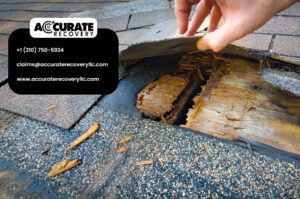
Pitched roofs often hide damage beneath shingles or tiles. Wind can lift materials without removing them, hail can weaken shingles without breaking them, and water can travel beneath the surface before leaking indoors.
Without a professional inspection, property owners may face:
- Hidden water damage
- Mold growth in attics or ceilings
- Structural weakening
- Interior wall and ceiling damage
- Underpaid or denied insurance claims
A pitched roof inspection helps identify problems early and provides documentation that supports proper repairs and insurance claims.
Common Reasons Property Owners Schedule Pitched Roof Inspections
Pitched roof inspections are recommended in several situations, especially after weather events or when insurance claims are involved.
After Wind or Storm Damage
High winds can lift, crease, or loosen shingles on pitched roofs. Even if shingles appear intact from the ground, wind damage can compromise their ability to protect the roof.
Storm-related inspections often support claims handled through wind damage claim services in San Antonio or Austin wind damage claim services to ensure roofing damage is not underestimated.
After Hail Impact
Hail damage on pitched roofs is one of the most commonly overlooked issues. Small hailstones can knock protective granules off shingles or crack tiles without creating immediate leaks.
Hail-related inspections often support Austin hail damage claim services when insurance companies question whether hail caused functional damage.
After Roof Leaks or Interior Water Damage
When water stains appear on ceilings or walls, the source may be higher up the roof than expected. Water can travel along underlayment or framing before becoming visible.
In these cases, pitched roof inspections often overlap with water and flood damage claim services in San Antonio or Austin water and flood damage claim services to capture all related damage.
Key Areas Checked During a Pitched Roof Inspection
Pitched roof inspections focus on areas where damage most commonly occurs.
Shingles, Tiles, or Panels
Roofing materials are inspected for:
- Cracks, breaks, or missing pieces
- Curling, lifting, or creasing
- Granule loss on asphalt shingles
- Impact marks from hail or debris
Even minor material damage can allow water intrusion over time.
Flashing and Sealants
Flashing protects vulnerable areas where roof planes meet walls, chimneys, or vents. Inspectors look for:
- Loose or corroded flashing
- Failed sealants
- Improper installation
Flashing failure is a leading cause of roof leaks.
Valleys and Ridge Lines
Valleys and ridges handle large volumes of water. Inspections check for:
- Wear or separation
- Debris buildup
- Improper water flow
Problems in these areas can quickly lead to leaks.
Roof Penetrations and Vents
Penetrations are common leak points. Inspections evaluate:
- Vent boots and seals
- Skylight flashing
- Pipe penetrations
A small failure here can cause widespread interior damage.
Residential Pitched Roof Inspections
Most homes use pitched roofing systems, making residential inspections extremely important. Damage may not be visible until ceilings or attic spaces are affected.
Residential pitched roof inspections may identify:
- Storm-related shingle damage
- Aging materials
- Improper past repairs
- Early signs of leaks
When fire or heat affects residential roofing, inspections may also support fire and smoke damage claim services in San Antonio to document heat-related roof damage.
Commercial Pitched Roof Inspections
Some commercial buildings also use pitched roofing systems, particularly retail centers, offices, and mixed-use properties.
Commercial inspections often focus on:
- Structural safety
- Roof-to-wall transitions
- Drainage performance
- Safety concerns
In cases where commercial roofs have low-slope sections, inspections may align with low slope roof inspections in Austin for detailed evaluation.
Pitched Roof Inspections and Insurance Claims
Pitched roof inspections play a critical role in insurance claims. Insurance inspections are often brief and may overlook damage that requires closer evaluation.
Professional inspection reports provide:
- Clear photo documentation
- Identification of hidden damage
- Cause-of-loss analysis
- Support for claim negotiations
Property owners often work alongside public adjuster services to ensure pitched roof inspection findings are properly included in insurance claim documentation.
Why Choose Accurate Recovery LLC for Pitched Roof Inspections
Accurate Recovery LLC approaches pitched roof inspections with experience and attention to detail. Our inspections are designed to uncover real issues—not just surface-level concerns.
We focus on:
- Detailed inspection methods
- Honest condition assessments
- Clear documentation
- Insurance claim support when needed
Our experience across Texas allows us to understand local weather patterns, roofing materials, and insurance practices.
Hidden Damage on Pitched Roofs That Is Commonly Missed
Pitched roofs are designed to shed water, but that same design can hide damage beneath shingles, tiles, or panels. Many roofing problems develop under the surface and remain unnoticed until interior damage appears. By the time stains show on ceilings or walls, the damage may already be widespread.
Hidden pitched roof damage often includes:
- Lifted or creased shingles caused by wind
- Cracked or weakened tiles after hail impact
- Underlayment deterioration
- Moisture trapped in decking or insulation
- Fastener or nail back-out over time
These issues are frequently missed during quick inspections or drive-by assessments. A professional pitched roof inspection focuses on uncovering these hidden risks before they lead to costly repairs or insurance disputes.
Pitched Roof Inspections After Wind Damage
Wind damage is one of the most common causes of pitched roof failure. Strong winds can lift shingles without tearing them off, breaking their seal and allowing water to enter later.
Wind-related inspections focus on:
- Lifted, creased, or displaced shingles
- Damage along roof edges and ridges
- Loose flashing and sealants
- Vulnerable areas around roof penetrations
Because wind damage is often underestimated, pitched roof inspections frequently support claims handled through wind damage claim services in San Antonio or Austin wind damage claim services to ensure roofing losses are fully documented.
Pitched Roof Inspections After Hail Damage
Hail damage on pitched roofs can be difficult to identify without close inspection. Hail may not always punch holes through shingles, but it can weaken them enough to cause premature failure.
Hail inspections evaluate:
- Granule loss on asphalt shingles
- Impact fractures on tiles
- Dents or distortion on metal roofing
- Damage to flashing, vents, and skylights
These inspections often play a key role in Austin hail damage claim services when insurance companies question whether hail caused functional roof damage.
Water Intrusion and Moisture Spread on Pitched Roofs
Water damage from pitched roofs does not always appear directly beneath the damaged area. Moisture can travel along underlayment, rafters, or insulation before becoming visible indoors.
Pitched roof inspections help identify:
- Roof entry points for water
- Signs of active or past leaks
- Moisture patterns in attic spaces
- Early mold growth risks
When roof-related water intrusion affects interior areas, inspections often overlap with water and flood damage claim services in San Antonio or Austin water and flood damage claim services to ensure all related damage is captured.
Pitched Roof Inspections After Fire or Heat Exposure
Fire incidents can affect pitched roofs even when flames never touch the roof surface. Heat can damage shingles, tiles, and underlayment, while firefighting efforts often introduce large amounts of water.
Post-fire pitched roof inspections assess:
- Heat-related material damage
- Smoke contamination of roofing components
- Water damage from suppression efforts
- Structural stress caused by temperature changes
These inspections often support fire and smoke damage claim services in San Antonio when roofing damage must be included in an insurance claim.
Pitched Roof Inspections for Insurance Disputes
Pitched roof damage is one of the most disputed areas in insurance claims. Insurers may focus on visible damage only and overlook hidden or functional issues.
Inspection reports help support disputes by providing:
- Detailed photos of roof damage
- Evidence of wind or hail impact
- Connection between roof damage and interior losses
- Clear repair recommendations
Property owners often work with public adjuster services to ensure pitched roof inspection findings are clearly presented during claim negotiations.
Re-Inspections and Supplemental Pitched Roof Inspections
Not all roof damage is visible during the first inspection. As repairs begin or weather conditions change, additional issues may appear.
Reasons for re-inspection include:
- Newly discovered damage during repairs
- Incomplete initial inspections
- Disputes over repair scope
- Changes in roof condition over time
Supplemental inspections help ensure all pitched roof damage is documented before repairs are finalized.
Residential Pitched Roof Inspection Challenges
Residential pitched roofs often include complex layouts with multiple slopes, valleys, and penetrations. These areas increase the risk of hidden damage.
Residential inspections focus on:
- Roof geometry and drainage paths
- Aging materials
- Past repair quality
- Attic ventilation and moisture signs
These inspections help homeowners avoid unexpected repair costs and insurance complications.
Commercial Pitched Roof Inspection Challenges
Commercial buildings with pitched roofs may include mixed roofing systems, decorative features, or attached low-slope sections.
Commercial inspections often evaluate:
- Structural safety
- Roof-to-wall transitions
- Drainage efficiency
- Safety and access concerns
In some cases, pitched roof inspections align with low slope roof inspections in Austin when buildings include multiple roof types.
How Accurate Recovery LLC Conducts Pitched Roof Inspections
Accurate Recovery LLC follows a structured inspection process designed to identify both visible and hidden pitched roof damage.
Our inspection approach includes:
- Detailed surface and component evaluation
- Moisture and damage pattern analysis
- Clear photo and written documentation
- Insurance-focused reporting when needed
Our goal is to give property owners clarity and confidence in the condition of their roof.
Pitched Roof Inspection Services – What Property Owners Should Expect
A pitched roof inspection is about more than checking shingles from the ground. It is a detailed process that helps property owners understand the true condition of their roof and identify risks before they turn into expensive repairs or insurance disputes. Because pitched roofs can hide damage beneath layers of material, professional inspections are essential.
Many homeowners and business owners assume that if there is no active leak, the roof is in good shape. In reality, pitched roof damage often develops quietly and may not show visible signs until interior damage appears. A professional inspection helps prevent this by identifying issues early.
At Accurate Recovery LLC, pitched roof inspections are performed with care, accuracy, and a clear focus on protecting the property owner.
Common Mistakes Property Owners Make With Pitched Roofs
Pitched roof problems often become costly due to small mistakes or delays.
Waiting for Visible Interior Damage
By the time water stains appear on ceilings or walls, moisture may already be present in insulation or framing. Early inspections help avoid this escalation.
Relying Only on Quick Visual Checks
A quick look from the ground or ladder may miss lifted shingles, damaged flashing, or compromised underlayment. Professional inspections provide a deeper evaluation.
Making Repairs Without Proper Documentation
Permanent repairs completed before documenting damage can weaken insurance claims. Damage should always be inspected and recorded first.
Frequently Asked Questions About Pitched Roof Inspections
How often should a pitched roof be inspected?
Most pitched roofs should be inspected once a year and after major storms. Older roofs or those exposed to frequent severe weather may need more frequent inspections.
Can pitched roof inspections find hidden damage?
Yes. Inspections can uncover lifted shingles, hail impact damage, moisture intrusion, underlayment deterioration, and other issues that are not visible from the ground.
Are pitched roof inspections important for insurance claims?
Absolutely. Pitched roof damage is often disputed by insurance companies. Inspection reports help document the cause and extent of damage to support claims.
Do pitched roof inspections apply to commercial buildings?
Yes. Many commercial properties use pitched roofing systems and benefit from inspections that evaluate structural safety and drainage performance.
What happens if damage is found during the inspection?
If damage is identified, property owners can decide on repairs, further evaluation, or insurance claim support. Inspection documentation helps guide the next steps.
Pitched Roof Inspections and Insurance Claim Support
Pitched roof inspections often play a key role in insurance claims. Because damage may not be immediately visible, insurers may underestimate losses without proper documentation.
Inspection reports commonly support claims involving:
- wind damage claim services in San Antonio
- Austin wind damage claim services
- Austin hail damage claim services
- water and flood damage claim services in San Antonio
When pitched roof damage leads to interior water intrusion or structural concerns, inspections help connect all related losses into one complete claim.
Residential Pitched Roof Inspection Benefits
For homeowners, pitched roof inspections help protect both the structure and the interior of the home. Small roof issues can quickly lead to costly repairs if they go unnoticed.
Residential inspections help:
- Identify storm damage early
- Prevent leaks and moisture spread
- Support insurance claims
- Plan repairs before damage worsens
Many homeowners schedule inspections after storms or when preparing to file insurance claims.
Commercial Pitched Roof Inspection Benefits
Commercial pitched roofs protect valuable property, equipment, and daily operations. Damage can disrupt business and create safety risks.
Commercial inspections focus on:
- Structural integrity
- Drainage performance
- Roof-to-wall transitions
- Safety and access concerns
In buildings with mixed roofing systems, inspections may also align with low slope roof inspections in Austin for more detailed evaluation.
Why Accurate Recovery LLC Is Trusted for Pitched Roof Inspections
Accurate Recovery LLC brings experience and consistency to pitched roof inspections across Texas. We understand how local weather patterns, roofing materials, and insurance practices affect roof performance.
We provide:
- Thorough roof evaluations
- Clear documentation and reporting
- Honest condition assessments
- Support for insurance-related needs
Our inspections are designed to uncover real issues—not just surface-level concerns.
To learn more about our team and approach, visit our About Us page.
When Should You Schedule a Pitched Roof Inspection?
You should consider a pitched roof inspection if:
- Your property experienced wind or hail
- You notice leaks or ceiling stains
- You are filing or disputing an insurance claim
- Your roof is aging or showing wear
- You want peace of mind about roof condition
Even without visible damage, inspections can identify risks early and prevent unexpected costs.
Get Professional Pitched Roof Inspection Support
A pitched roof inspection can help protect your property, your finances, and your peace of mind. Whether you need an inspection after a storm, before repairs, or as part of an insurance claim, professional evaluation makes a difference.
Accurate Recovery LLC provides trusted pitched roof inspection services to identify damage, support insurance claims, and help property owners make informed decisions.
To schedule an inspection or request guidance, visit our Contact Us page today.
Posted on GoogleTrustindex verifies that the original source of the review is Google. I experienced fare assessments and inspections of my claim, damaged roof from a Mother Nature hail storm. The representative Mr Juan Alanis is an excellent Recovery public Insurance Adjuster.Posted on GoogleTrustindex verifies that the original source of the review is Google. I own a roofing and construction company and have referred multiple customers to Accurate Recovery Public Insurance Adjusters. They have consistently delivered outstanding results. Their team goes above and beyond for every client. They are thorough, professional, and highly effective at maximizing recoveries from insurance companies. In every case I have sent their way, they have secured significantly more money for my customers than the initial insurance offers. No one should settle for an unfairly paid or denied claim, Accurate Recovery Public Insurance Adjusters makes sure of that! I appreciate their responsiveness, attention to detail, and genuine commitment to advocating for policyholders. I 100% recommend Accurate Recovery to any property owner dealing with an insurance claim.Posted on GoogleTrustindex verifies that the original source of the review is Google. I had a very satisfactory experience with Accurate Recovery Public Insurance Adjusters. Lucia and Juan were professional, knowledgeable, and very helpful throughout the entire roofing claim process. They explained everything clearly, maintained great communication, and made sure the damages were properly evaluated by the insurance company. I truly appreciate their dedication, honesty, and excellent customer service. I highly recommend Juan, Lucia, and the entire Accurate Recovery team to anyone who needs assistance with an insurance claim.Posted on GoogleTrustindex verifies that the original source of the review is Google. Very professional people and helpful I would recommend them to anybodyPosted on GoogleTrustindex verifies that the original source of the review is Google. Great results with an insurance claim that was rejected twice!Posted on GoogleTrustindex verifies that the original source of the review is Google. Juan and his team went above and beyond with my insurance claim. They fought hard and did not settle for the initial approval we were proposed. From driving 4 hours multiple times to perform inspections to taking care of the letterheads needed, it was a blessing to cross paths with Accurate Recovery, thank you all!Posted on GoogleTrustindex verifies that the original source of the review is Google. Highly recommend Accurate Recovery Public Adjuster. They made the entire roof claim process smooth and stress-free, working closely with E & J Construction. Excellent service and truly professional—100% satisfied.Posted on GoogleTrustindex verifies that the original source of the review is Google. They did a Great Job... Explained everything to me, exactly what they said they were going to do they did. Very professional. Would highly recommend them.Posted on GoogleTrustindex verifies that the original source of the review is Google. Juan provided accurate and concise analysis and was of great assistance in dealing with our insurance. I would highly recommend his services.
Public Adjuster for Roof Damage Claims
A roof damage insurance claim can feel confusing after hail, high winds, missing shingles, or a sudden roof leak. You

Why Low Slope Roofs Need Regular Inspections
A small roof leak may seem harmless, but what happens when the damage stays hidden above the ceiling? It can

What Is a Low Slope Roof Inspection?
A small seam opening or blocked drain can let water sit on a low-slope roof long before anyone notices a
 English
  Spanish