
Low Slope Roof Inspection Near Me
Home » Low Slope Roof Inspection Near Me
Professional Low Slope Roof Inspections to Detect Hidden Problems Early
Low slope roofs are commonly found on commercial buildings, multi-family properties, warehouses, and some residential structures. While these roofs are designed to manage water differently than steep or pitched roofs, they require careful inspection and regular attention. Even minor issues on a low slope roof can allow moisture to spread quietly beneath the surface, leading to significant damage if left unchecked.
If you are searching for a Low Slope Roof Inspection Near Me, you may be dealing with drainage concerns, interior leaks, storm exposure, or questions about the overall condition of your roof. A professional low slope roof inspection helps uncover hidden risks, protect the structure, and prevent costly surprises.
At Accurate Recovery LLC, low slope roof inspections are handled with experience and attention to detail. We understand how low slope roofing systems perform over time and how small problems can quickly become major issues.
Why Low Slope Roof Inspections Are Critical
Low slope roofs do not shed water as quickly as steep roofs. Because of this, they are more vulnerable to moisture-related problems that may not be visible from inside the building.
Regular inspections help:
- Identify drainage and water flow issues
- Detect membrane or surface damage early
- Prevent moisture buildup beneath roofing layers
- Reduce the risk of interior leaks and mold
- Extend the lifespan of the roofing system
Many low slope roof failures begin with small, unnoticed issues that grow over time.
Understanding Low Slope Roofing Systems
Low slope roofs rely on multiple layers working together to protect the building.
Common Low Slope Roof Types
Low slope roof inspections may involve systems such as:
- Modified bitumen roofs
- Built-up roofing systems
- Single-ply membrane roofs
- Coated low slope roofing systems
Each system has seams, joints, and transition points that must remain intact to prevent water intrusion.
What a Professional Low Slope Roof Inspection Includes
A low slope roof inspection goes beyond a simple surface look. It evaluates how well the entire roofing system manages water and protects the structure.
Roof Surface and Membrane Review
The inspection begins with a close examination of the roof surface. Inspectors look for:
- Cracks, punctures, or surface wear
- Blisters, bubbles, or wrinkles
- Open seams or separating joints
- Signs of previous repairs
Even small surface defects can allow water to enter beneath the roofing layers.
Drainage and Water Flow Evaluation
Drainage is one of the most important aspects of a low slope roof. Inspections focus on:
- Areas where water collects
- Internal drains, scuppers, and outlets
- Signs of slow or blocked drainage
- Low spots that encourage standing water
Standing water places constant stress on roofing materials and can shorten the roof’s lifespan.
Flashing, Edges, and Transitions
Low slope roofs have many vulnerable transition areas. Inspections carefully review:
- Flashing at roof edges and parapet walls
- Seals around vents, pipes, and HVAC units
- Expansion joints and terminations
Leaks often start at these transition points rather than the open roof surface.
Hidden Problems Low Slope Roof Inspections Can Reveal
Some of the most damaging issues on low slope roofs are not visible without professional evaluation.
Moisture Beneath the Roofing System
Water can become trapped beneath the roof membrane or surface layers. Over time, this moisture can:
- Damage insulation
- Weaken roof decking
- Increase structural load
- Create mold-risk conditions
Early detection is key to preventing widespread damage.
Insulation and Structural Concerns
Wet insulation loses its effectiveness and adds weight to the roof. Structural components beneath the roof may also weaken if moisture is present for long periods.
Low slope roof inspections help identify warning signs before failure occurs.
When to Schedule a Low Slope Roof Inspection Near Me
Low slope roof inspections are useful in many situations.
You should consider scheduling an inspection if:
- Water is pooling on the roof
- Interior leaks or ceiling stains appear
- A storm recently passed through the area
- The roof is aging
- Maintenance or repairs are being planned
Early inspections help stop problems from spreading and reduce long-term repair costs.
Low Slope Roof Inspections After Storms
Storms can affect low slope roofs in subtle ways. Wind can lift edges or flashing, debris can puncture surfaces, and heavy rain can overwhelm drainage systems.
Post-storm inspections may relate to broader property concerns involving wind exposure, water intrusion, or impact damage. A professional inspection helps confirm the roof’s condition after severe weather.
Residential Low Slope Roof Inspections
Some residential properties use low slope roofing designs. Homeowners with these roofs often face challenges that differ from steep-slope systems.
Residential inspections help:
- Identify leaks before interior damage appears
- Understand roof condition and remaining lifespan
- Plan maintenance or repairs confidently
Clear inspection results help homeowners avoid uncertainty.
Commercial Low Slope Roof Inspections
Low slope roofs are common on commercial buildings due to their cost-effective design and ability to support equipment.
Commercial inspections may involve:
- Large roof surface areas
- Rooftop equipment and penetrations
- Complex drainage systems
- Structural load considerations
Regular inspections help protect business operations and reduce downtime.
How Accurate Recovery LLC Approaches Low Slope Roof Inspections
At Accurate Recovery LLC, low slope roof inspections are performed with a thorough understanding of how these systems age and fail. We focus on identifying both visible and hidden concerns so property owners have a clear picture of their roof’s condition.
Our approach emphasizes:
- Careful evaluation of roofing components
- Attention to drainage and moisture risks
- Clear explanation of inspection findings
To learn more about our experience and inspection approach, visit our About Us page.
Schedule a Low Slope Roof Inspection Near Me With Confidence
Low slope roof problems often develop quietly. Early inspection helps prevent leaks, interior damage, and costly repairs. Whether you are responding to a storm, planning maintenance, or simply want peace of mind, a professional inspection provides clarity.
If you are looking for a low slope roof inspection near you, reach out to Accurate Recovery LLC for guidance and support.
Start here: Contact Us
What Happens During a Professional Low Slope Roof Inspection
A professional low slope roof inspection is a detailed evaluation of how the roof manages water, supports the structure, and protects the building below. Because low slope roofs hold water longer than steep roofs, inspections focus heavily on moisture risks, drainage performance, and membrane condition.
Initial Roof Walk-Through and Condition Review
The inspection begins with a careful walk-through of the roof surface. Inspectors observe overall condition, foot traffic patterns, and areas that experience stress from rooftop equipment or maintenance activity. Soft spots, uneven areas, or visible surface wear are noted early, as they may indicate underlying issues.
Surface and Membrane Examination
Low slope roofing surfaces are closely inspected for:
- Cracks, punctures, or surface erosion
- Blisters, bubbles, or wrinkling
- Open seams or separating joints
- Areas with heavy wear or patchwork repairs
Even small membrane defects can allow water to migrate beneath the surface and spread unnoticed.
Drainage and Ponding Water Assessment
Drainage performance is one of the most critical parts of a low slope roof inspection.
Identifying Standing Water
Inspectors look for areas where water collects and remains after rainfall. Persistent ponding increases stress on roofing materials and accelerates deterioration. These areas often indicate slope issues, clogged drains, or structural settling.
Drains, Scuppers, and Water Outlets
All drainage components are checked, including:
- Internal roof drains and strainers
- Scuppers along roof edges
- Downspouts and discharge points
Blocked or poorly functioning drainage systems are a leading cause of low slope roof failures.
Flashing, Edges, and Roof Transitions
Most low slope roof leaks begin at transition points rather than open roof areas.
Perimeter Edges and Parapet Walls
Edges and parapet walls are inspected for:
- Loose or damaged flashing
- Separation between materials
- Signs of moisture intrusion
Movement, temperature changes, and weather exposure make these areas especially vulnerable.
Penetrations and Rooftop Equipment
Low slope roofs often support HVAC units, vents, and piping. Inspections focus on:
- Seals around penetrations
- Equipment curbs and bases
- Damage caused by vibration or maintenance access
Poorly sealed penetrations are a common source of hidden leaks.
Interior and Structural Areas Reviewed During Inspections
Low slope roof inspections often extend beyond the roof surface.
Ceiling and Interior Review
Inspectors may examine interior ceilings and walls for:
- Water stains or discoloration
- Peeling paint or bubbling finishes
- Signs of ongoing moisture issues
Interior indicators often reveal roof problems that are not visible above.
Insulation and Decking Concerns
Moisture trapped beneath low slope roofing systems can saturate insulation and weaken decking. Wet insulation reduces energy efficiency and adds weight to the roof, increasing structural stress. Inspections help identify warning signs before major damage occurs.
Common Low Slope Roof Problems Found During Inspections
Professional inspections often uncover recurring issues on low slope roofs.
Seam and Joint Failure
Over time, seams can loosen or separate, allowing water to travel beneath the roofing layers. This type of damage often spreads far from the original entry point.
Drainage System Failure
Clogged or undersized drains cause water to back up onto the roof surface. Repeated drainage failures significantly shorten roof lifespan.
Improper Past Repairs
Temporary patches may hide problems without solving the root cause. Inspections help identify areas where previous repairs need correction.
Storm-Related Damage
Wind can lift edges and flashing, debris can puncture surfaces, and heavy rain can overwhelm drainage systems. These issues may not be obvious without a close inspection.
Low Slope Roof Inspections and Insurance Situations
Low slope roof inspections often become important when insurance questions arise.
After Severe Weather
Storms can damage low slope roofs in subtle ways. Inspections help document membrane damage, drainage failures, and water intrusion that may relate to wind or heavy rain events.
Preventing Claim Confusion
Early inspection and clear documentation help reduce disputes later. When damage is identified promptly, it is easier to explain how and when it occurred.
Low slope roof inspections may connect with broader property concerns involving wind exposure or water intrusion following storms.
Residential Low Slope Roof Inspection Benefits
Homeowners with low slope roofs benefit from inspections that focus on prevention and planning.
Residential inspections help:
- Catch leaks before interior damage spreads
- Identify drainage problems early
- Understand roof condition and lifespan
- Plan maintenance or replacement confidently
Clear information removes uncertainty and helps homeowners make informed decisions.
Commercial Low Slope Roof Inspections and Ongoing Care
Commercial low slope roofs often cover large areas and support heavy equipment. Damage can affect operations quickly if not addressed.
Commercial inspections help:
- Protect interior spaces and inventory
- Reduce unexpected downtime
- Plan routine maintenance
- Extend roof system lifespan
Regular inspections are an important part of responsible property management.
How Accurate Recovery LLC Supports Low Slope Roof Inspections
At Accurate Recovery LLC, low slope roof inspections are handled with experience and attention to detail. We understand how moisture spreads beneath roofing systems and how small problems can escalate if ignored.
Our approach focuses on:
- Thorough evaluation of low slope roof components
- Identifying visible and hidden concerns
- Clear documentation of inspection findings
- Helping property owners understand next steps
To learn more about our experience and approach, visit our About Us page.
Common Low Slope Roof Inspection Mistakes Property Owners Should Avoid
Low slope roof problems often become expensive because small warning signs are missed. Knowing what to avoid can protect your building and reduce long-term repair costs.
Waiting Until Interior Damage Appears
One of the most common mistakes is waiting for ceiling stains, dripping water, or interior odors before scheduling an inspection. By the time these signs appear, moisture may already be trapped beneath the roofing system, affecting insulation and decking. Early inspections help catch problems before they reach interior spaces.
Ignoring Standing Water After Rain
Some property owners assume brief ponding is normal. However, water that remains on a low slope roof for extended periods places constant stress on membranes and seams. Repeated ponding accelerates deterioration and increases leak risk.
Overlooking Edges and Transitions
Leaks frequently begin at roof edges, parapet walls, and penetrations—not in the middle of the roof. Skipping these areas during inspections allows small failures to grow into widespread damage.
Relying on Temporary Patches
Quick fixes may stop leaks temporarily but often fail to address the underlying issue. Professional inspections help identify root causes so problems are corrected properly.
Long-Term Benefits of Regular Low Slope Roof Inspections
Low slope roof inspections provide value beyond immediate repairs.
Extending the Roof’s Lifespan
Addressing minor issues early helps roofing materials perform as intended for longer. Routine inspections and timely maintenance can delay full roof replacement.
Reducing Unexpected Repair Costs
Planned maintenance is typically far less costly than emergency repairs. Inspections help property owners budget and avoid sudden expenses.
Protecting Interior Spaces and Equipment
Low slope roofs often cover large interior areas. Preventing moisture intrusion protects ceilings, walls, equipment, and inventory from damage.
Maintaining Energy Efficiency
Wet insulation loses effectiveness. Identifying moisture early helps maintain energy efficiency and indoor comfort.
Low Slope Roof Inspections and Insurance Situations
Inspections often become important when insurance questions arise.
After Severe Weather
Wind, heavy rain, and debris can damage low slope roofs in subtle ways. Post-storm inspections help confirm roof condition and identify issues that may need attention.
Before Filing an Insurance Claim
Understanding the roof’s condition helps property owners decide whether to pursue a claim. Clear inspection findings reduce confusion and delays.
After Repairs or Claim Settlements
Follow-up inspections help ensure repairs are effective and identify any remaining concerns that may require attention.
Low slope roof inspections may connect with broader property concerns involving wind exposure or water intrusion when storms affect roof performance.
Residential vs Commercial Low Slope Roof Inspection Considerations
Residential Properties
Homeowners with low slope roofs benefit from inspections focused on safety, comfort, and long-term protection of living spaces.
Commercial Properties
Commercial low slope roofs often support equipment and cover wide areas. Damage can disrupt operations quickly. Regular inspections help reduce downtime and protect business continuity.
Both property types benefit from consistent documentation and professional evaluation.
When to Schedule Routine Low Slope Roof Inspections
While a single inspection is helpful, routine inspections provide stronger protection.
You may want to schedule regular inspections if:
- The roof is aging
- The property experiences frequent storms
- Rooftop equipment requires regular access
- Maintenance or repairs have been performed in the past
Routine inspections help track roof condition over time and address problems early.
How Accurate Recovery LLC Helps With Low Slope Roof Inspections
At Accurate Recovery LLC, low slope roof inspections are performed with experience and attention to detail. We understand how low slope roofing systems age, how moisture spreads beneath surfaces, and how inspection findings affect future decisions.
Our approach focuses on:
- Clear evaluation of low slope roof conditions
- Identifying visible and hidden concerns
- Practical documentation of findings
- Helping property owners understand next steps
To learn more about our background and approach, visit our About Us page.
Schedule a Low Slope Roof Inspection Near Me With Confidence
Low slope roof problems rarely resolve on their own. Early inspection helps prevent leaks, interior damage, and costly repairs. Whether you are responding to a storm, planning maintenance, or simply want peace of mind, a professional inspection provides clarity.
If you’re looking for a low slope roof inspection near you, reach out to Accurate Recovery LLC for guidance and support.
Get started here: Contact Us

What to Do After Burglary, Theft, or Vandalism at Home
In This Blog, We Will Learn A broken window, an open door, or missing belongings can turn a normal day
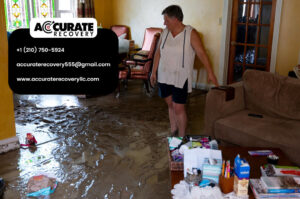
What Is Water Damage in Home Insurance?
In This Blog, We Will Learn Understanding water damage in home insurance helps homeowners know when a policy may respond
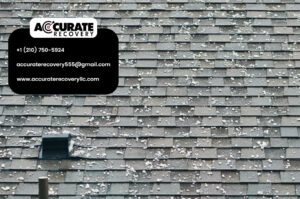
What Is Roof Hail Damage and How to Spot It?
In This Blog, We Will Learn Could your roof be damaged even when it looks fine from the ground? After
 English
  Spanish