
Servicios de inspección de techos de baja pendiente
Inicio » Servicios de inspección de techos de baja pendiente
Inspecciones detalladas de sistemas de techado de baja pendiente para identificar daños ocultos de forma temprana
Los techos de poca pendiente son comunes en edificios comerciales, apartamentos, oficinas, centros médicos, almacenes y algunas propiedades residenciales modernas. Si bien estos techos están diseñados para manejar el agua de manera diferente a los techos inclinados, también presentan riesgos únicos. El agua drena lentamente, las juntas son más vulnerables y los daños pueden permanecer ocultos durante largos períodos.
Una inspección de techos de baja pendiente no es una simple inspección superficial. Estos sistemas de techado requieren una evaluación minuciosa de las membranas, las juntas, las vías de drenaje y el aislamiento subyacente. Pequeños problemas que pasan desapercibidos pueden eventualmente provocar goteras, daños interiores, moho y costosas disputas con el seguro.
En Recuperación precisa LLCLas inspecciones de techos de baja pendiente se realizan con un enfoque metódico y detallado. Nuestras inspecciones están diseñadas para identificar daños visibles, filtraciones de humedad ocultas y problemas estructurales para que los propietarios puedan proteger sus edificios y tomar decisiones informadas.
¿Qué es una inspección de techo de baja pendiente?
Una inspección de techos de baja pendiente es una evaluación exhaustiva de sistemas de techado con una inclinación mínima. Estos techos se diferencian de los de pendiente pronunciada porque dependen de membranas y sistemas de drenaje, en lugar de la gravedad, para evacuar el agua.
Los sistemas de techado de baja pendiente comúnmente incluyen
- Techos de TPO
- Techos de caucho EPDM
- Betún modificado
- Techado de obra (BUR)
- Sistemas de membranas híbridas
Cada sistema tiene requisitos de inspección específicos. Una inspección profesional de techos de baja pendiente evalúa cómo todos los componentes funcionan en conjunto para proteger el edificio.
Por qué son tan importantes las inspecciones de techos de baja pendiente
Los techos de poca pendiente suelen fallar silenciosamente. El agua puede permanecer en la superficie durante más tiempo, filtrarse por las juntas o filtrarse por debajo de la membrana antes de hacerse visible en el interior. Para cuando aparecen manchas o goteras en el techo, el daño puede estar ya muy extendido.
Sin inspecciones regulares, los propietarios pueden enfrentar
- Daños por agua ocultos
- Aislamiento saturado
- Problemas de moho y calidad del aire interior
- Debilitamiento estructural
- Reclamaciones de seguros mal pagadas o denegadas
Una inspección profesional ayuda a identificar riesgos de forma temprana y proporciona documentación que protege financieramente tanto al edificio como al propietario.
Razones comunes por las que los propietarios programan inspecciones de techos de baja pendiente
Se recomiendan inspecciones de techos de baja pendiente en varias situaciones, especialmente cuando hay reclamos de seguros o reparaciones importantes involucradas.
Después de daños causados por el viento o la tormenta
Los vientos fuertes pueden levantar los bordes de las membranas, aflojar los tapajuntas y dañar las juntas en techos de poca pendiente. Estos problemas suelen ser invisibles desde el suelo.
Las inspecciones de pendientes bajas relacionadas con tormentas con frecuencia respaldan reclamos manejados a través de servicios de reclamos por daños por viento en San Antonio o Servicios de reclamaciones por daños por viento en Austin Para garantizar que el daño al techo esté completamente documentado
Después del impacto del granizo
Los daños causados por granizo en techos de poca pendiente pueden ser sutiles. El granizo puede dañar las membranas, agrietar los revestimientos o dañar el aislamiento sin causar fugas inmediatas.
Estas inspecciones a menudo respaldan Servicios de reclamaciones por daños por granizo en Austin Cuando las compañías de seguros cuestionan si el granizo causó daños funcionales
Después de fugas interiores o daños por agua
Cuando aparecen manchas de agua en el interior de un edificio, su origen puede estar lejos de donde se ve la fuga. El agua puede atravesar las capas de aislamiento antes de gotear.
Las inspecciones de techos de baja pendiente a menudo se superponen con servicios de reclamos por daños por agua e inundación en San Antonio. o Servicios de reclamaciones por daños por agua e inundaciones en Austin para capturar todas las pérdidas relacionadas
Áreas clave que se revisan durante una inspección de techo de pendiente baja
Las inspecciones de techos de baja pendiente se centran en las áreas donde los problemas se desarrollan con mayor frecuencia.
Roof Membrane Condition
La membrana es la principal barrera impermeable. Los inspectores evalúan
- Desgarros, perforaciones o grietas
- Contracción o formación de ampollas
- Daños por rayos UV o calor
- Zonas debilitadas por el tráfico peatonal
El daño a la membrana es una de las causas más comunes de goteras en techos de poca pendiente.
Costuras, tapajuntas y penetraciones
Las costuras y penetraciones son zonas de alto riesgo. Las inspecciones examinan minuciosamente
- Separación o levantamiento de costuras
- Daños en los tapajuntas alrededor de paredes y bordillos
- Penetraciones en el techo, como respiraderos y desagües.
Incluso una pequeña falla en la costura puede permitir una intrusión significativa de agua.
Drenaje y estancamiento de agua
Low slope roofs depend on proper drainage. Inspections assess:
- Desagües y imbornales de tejado
- Vías de drenaje obstruidas o dañadas
- Areas of standing or ponding water
El agua estancada acelera el desgaste de la membrana y aumenta el riesgo de fugas.
Aislamiento e intrusión de humedad
La humedad oculta bajo la superficie del techo es una preocupación seria. Los inspectores buscan
- Zonas blandas o esponjosas
- Señales de aislamiento saturado
- Patrones de humedad
- Indicadores tempranos de riesgo de moho
La intrusión de humedad a menudo es motivo de controversia durante las reclamaciones de seguros, por lo que la documentación adecuada es fundamental.
Inspecciones de techos residenciales de baja pendiente
Algunas casas modernas, casas adosadas y ampliaciones utilizan sistemas de techado de baja pendiente. Estos techos requieren una inspección minuciosa, ya que las goteras pueden no aparecer hasta que se produzcan daños en el interior.
Las inspecciones de pendientes bajas residenciales pueden identificar
- Desgaste de la membrana
- Problemas de drenaje
- Daños relacionados con tormentas
- Materiales envejecidos
Cuando los techos residenciales de baja pendiente se ven afectados por el fuego o el calor, las inspecciones también pueden ayudar servicios de reclamos por daños por incendio y humo en San Antonio Para documentar los daños en el techo relacionados con el calor
Inspecciones de techos comerciales de baja pendiente
Los techos de baja pendiente son más comunes en propiedades comerciales. Estos techos protegen inventarios, equipos y operaciones diarias de gran valor.
Las inspecciones comerciales a menudo se centran en
- Seguridad estructural
- Rendimiento de impermeabilización
- Eficiencia del drenaje
- Preocupaciones sobre el código y la seguridad
Many commercial inspections align with services like Inspecciones de techos de baja pendiente en Austin o inspecciones de techos de baja pendiente en el Valle del Río Grande para evaluación específica de la ubicación
Inspecciones de techos de baja pendiente y reclamaciones de seguros
Las inspecciones de techos de baja pendiente son cruciales cuando se trata de reclamaciones de seguros. Estas inspecciones suelen ser breves y pueden pasar por alto daños ocultos bajo la membrana.
Los informes de inspección profesionales proporcionan
- Documentación fotográfica clara
- Análisis de humedad y daños
- Evidencia de daños por tormenta o impacto
- Apoyo a la negociación de reclamaciones
Los propietarios que presentan reclamaciones a menudo trabajan con servicios de ajuste público Para garantizar que los hallazgos de la inspección del techo de baja pendiente se incluyan en su totalidad.
¿Por qué elegir Accurate Recovery LLC para inspecciones de techos de baja pendiente?
Accurate Recovery LLC aporta experiencia y constancia a las inspecciones de techos de baja pendiente en todo Texas. Entendemos cómo se comportan estos sistemas de techado en las condiciones climáticas locales y cómo las aseguradoras evalúan los daños.
Nos centramos en:
- Métodos de inspección detallados
- Evaluaciones de condiciones honestas
- Documentación clara
- Informes centrados en seguros cuando sea necesario
Nuestras inspecciones están diseñadas para descubrir problemas reales, no solo preocupaciones superficiales.
Daños ocultos en techos de baja pendiente que comúnmente pasan desapercibidos
Los techos de poca pendiente son especialmente vulnerables a daños invisibles desde la superficie. Debido a que el agua drena lentamente y las membranas se extienden por grandes áreas, incluso pequeños problemas pueden propagarse silenciosamente bajo el sistema del techo. Para cuando aparecen las señales en el interior, los daños suelen ser mucho más extensos de lo esperado.
Los daños ocultos en techos de baja pendiente a menudo incluyen
- Humedad atrapada debajo de las membranas del techo
- Aislamiento saturado que debilita el rendimiento térmico
- Separación de costuras causada por calor o movimiento
- Cubierta blanda debajo de la membrana
- Fugas lentas que recorren largas distancias antes de hacerse visibles
Estos problemas suelen pasarse por alto durante las inspecciones rápidas. Una inspección profesional de techos de baja pendiente se centra en detectar estos riesgos de forma temprana.
El agua estancada y su impacto en techos de poca pendiente
El agua estancada es uno de los problemas más graves que afectan a los techos de poca pendiente. El agua estancada ejerce una presión constante sobre las membranas y las juntas, acelerando el desgaste y aumentando la probabilidad de goteras.
Las inspecciones de techos de baja pendiente evalúan el encharcamiento mediante la verificación
- Ubicación y pendiente del drenaje
- Bloqueos de drenaje o acumulación de residuos
- Deterioro de la membrana en zonas bajas
- Depresiones estructurales que atrapan agua
Las compañías de seguros a veces pueden clasificar el agua estancada como un problema de mantenimiento. Sin embargo, cuando el estancamiento provoca fallos en la membrana o daños en el interior, es fundamental documentar adecuadamente la inspección, especialmente cuando las reclamaciones se superponen con... servicios de reclamos por daños por agua e inundación en San Antonio. o Servicios de reclamaciones por daños por agua e inundaciones en Austin.
Inspecciones de techos de baja pendiente después de daños causados por el viento
Los vientos fuertes pueden dañar los techos de poca pendiente de maneras difíciles de ver. El viento puede aflojar las membranas, arrancar los tapajuntas de las paredes o dañar los bordes del techo.
Las inspecciones de pendientes bajas relacionadas con el viento se centran en
- Membranas levantadas o arrugadas
- Metal de borde y tapajuntas perimetral
- Penetraciones de techo y detalles de bordillos
- Puntos de fijación de equipos en la azotea
Estas inspecciones a menudo respaldan las reclamaciones gestionadas a través de servicios de reclamos por daños por viento en San Antonio o Servicios de reclamaciones por daños por viento en Austin Para garantizar que no se minimicen los daños en el techo causados por el viento.
Inspecciones de techos de baja pendiente después de daños por granizo
Los daños causados por granizo en techos de poca pendiente no siempre dejan perforaciones visibles. En cambio, el granizo puede dañar las membranas, agrietar los revestimientos o comprimir el aislamiento bajo la superficie.
Las inspecciones de granizo en pendientes bajas evalúan
- Marcas de impacto en las membranas del techo
- Daños en el revestimiento o fracturas superficiales
- Aislamiento aplastado o debilitado
- Daños en unidades de techo y rejillas de ventilación
Estas inspecciones suelen ser esenciales para Servicios de reclamaciones por daños por granizo en Austin Cuando las aseguradoras cuestionan si el granizo causó daños funcionales en el techo
Intrusión de humedad y saturación del aislamiento
Uno de los problemas más graves detectados durante las inspecciones de techos de baja pendiente es la saturación del aislamiento. Una vez que el aislamiento se humedece, puede propagar la humedad por todo el sistema del techo y comprometer tanto la integridad estructural como la eficiencia energética.
Las inspecciones de baja pendiente identifican
- Áreas de techo blandas o esponjosas
- Patrones de migración de humedad
- Señales tempranas de riesgo de moho
- Debilitamiento estructural debajo de la membrana
La saturación del aislamiento suele ser motivo de controversia durante las reclamaciones de seguros. Una documentación de inspección clara facilita la realización de reparaciones completas en lugar de reparaciones parciales.
Inspecciones de techos de baja pendiente después de exposición al fuego o al calor
Los incendios pueden dañar techos de poca pendiente, incluso cuando las llamas no alcanzan la superficie. El calor puede deformar las membranas, debilitar los adhesivos y aflojar los sujetadores. Las labores de extinción de incendios suelen introducir grandes cantidades de agua, lo que aumenta el riesgo de humedad.
Las inspecciones de pendientes bajas posteriores a incendios evalúan
- Daños a la membrana relacionados con el calor
- Contaminación por humo
- Daños por agua causados por los esfuerzos de supresión
- Estrés estructural por cambios de temperatura
Estas inspecciones a menudo respaldan servicios de reclamos por daños por incendio y humo en San Antonio Cuándo los daños en el techo deben incluirse en las reclamaciones de seguro
Inspecciones de techos de baja pendiente para disputas de seguros
Los daños en techos de poca pendiente suelen subestimarse durante las inspecciones de seguros. Las aseguradoras pueden centrarse únicamente en los daños visibles, pasando por alto la intrusión de humedad y los problemas de aislamiento.
Los informes de inspección ayudan a respaldar las disputas al proporcionar
- Documentación fotográfica de daños ocultos
- Análisis de humedad
- Evidencia de pérdida relacionada con tormentas o impactos
- Recomendaciones claras sobre el alcance de la reparación
Los propietarios de propiedades a menudo trabajan en conjunto servicios de ajuste público Para garantizar que los resultados de la inspección se presenten adecuadamente durante las negociaciones de reclamaciones.
Reinspecciones e inspecciones complementarias de techos de baja pendiente
No todos los daños son visibles durante la primera inspección. A medida que comienzan las reparaciones o cambian las condiciones, podrían descubrirse daños adicionales.
Las razones para una nueva inspección incluyen:
- Daños por humedad recientemente expuestos
- Inspecciones iniciales incompletas
- Disputas sobre el alcance de la reparación
- Daños interiores ampliados
Las inspecciones complementarias ayudan a garantizar que todos los daños en techos de baja pendiente se documenten antes de finalizar las reparaciones.
Desafíos de la inspección de techos residenciales de baja pendiente
Los techos residenciales de baja pendiente se encuentran a menudo en casas modernas, ampliaciones o casas adosadas. Estos techos requieren una inspección minuciosa, ya que las filtraciones pueden extenderse antes de hacerse visibles en el interior.
Las inspecciones residenciales se centran en
- Rendimiento del drenaje
- Estado de la membrana
- Integridad de la costura
- Señales de humedad en el interior
Estas inspecciones ayudan a los propietarios a evitar daños inesperados y problemas con el seguro.
Desafíos de la inspección de techos comerciales de baja pendiente
Los techos comerciales de baja pendiente protegen equipos, inventario y operaciones valiosos. Los daños pueden interrumpir la actividad comercial diaria y generar problemas de seguridad.
Las inspecciones comerciales a menudo evalúan
- Seguridad estructural
- Eficiencia del drenaje
- Impacto de los equipos en la azotea
- Riesgos de rendimiento a largo plazo
Muchas inspecciones comerciales se alinean con Inspecciones de techos de baja pendiente en Austin o inspecciones de techos de baja pendiente en el Valle del Río Grande para una evaluación detallada
Cómo Accurate Recovery LLC realiza inspecciones de techos de baja pendiente
Accurate Recovery LLC sigue un proceso de inspección estructurado diseñado para identificar daños visibles y ocultos en techos de baja pendiente.
Nuestro enfoque incluye:
- Evaluación detallada de la membrana
- Inspección de drenaje y costuras
- Análisis del patrón de humedad
- Documentación clara para el respaldo del seguro
Nuestras inspecciones ayudan a los propietarios a proteger su inversión y tomar decisiones informadas.
Servicios de inspección de techos de baja pendiente: Qué deben esperar los propietarios
La inspección de un techo de poca pendiente es un proceso detallado que va mucho más allá de una simple inspección superficial. Estos sistemas de techado tienen un diseño diferente al de los techos inclinados, lo que significa que los daños suelen desarrollarse silenciosamente bajo las membranas, las juntas y las capas de aislamiento. Sin una inspección profesional, estos problemas pueden permanecer ocultos hasta que se produzcan daños graves en el interior.
Muchos propietarios creen que si no hay una gotera activa, el techo está en buen estado. En realidad, los techos de poca pendiente pueden retener la humedad durante largos periodos, lo que permite que los daños se propaguen antes de que aparezcan signos visibles. Una inspección profesional ayuda a detectar estos riesgos a tiempo y protege tanto la estructura como las finanzas del propietario.
En Recuperación precisa LLCLas inspecciones de techos de baja pendiente se realizan con un enfoque en la precisión, la documentación y la protección a largo plazo para el propietario de la propiedad.
Errores comunes que cometen los propietarios de propiedades con techos de baja pendiente
Los problemas de techos de poca pendiente a menudo se vuelven costosos debido a malentendidos tempranos o acciones tardías.
Suponiendo que el agua estancada es normal
Aunque puede quedar algo de agua temporalmente después de la lluvia, la acumulación continua de agua es una señal de alerta. Ignorarla puede provocar la rotura de la membrana y daños en el aislamiento.
Esperando daños en el interior
Para cuando aparecen manchas o goteras en el techo, es posible que la humedad ya se haya extendido por el aislamiento y la plataforma. Las inspecciones tempranas ayudan a prevenir esta escalada.
Confiar únicamente en las inspecciones de seguros
Las inspecciones de seguros suelen ser breves y pueden pasar por alto humedades ocultas o fallas en las juntas. Las inspecciones independientes ofrecen una evaluación más completa.
Preguntas frecuentes sobre inspecciones de techos de baja pendiente
¿Con qué frecuencia se debe inspeccionar un techo de pendiente baja?
Los techos de poca pendiente deben inspeccionarse al menos una vez al año y después de tormentas fuertes. Los edificios comerciales y los techos antiguos pueden beneficiarse de inspecciones más frecuentes.
¿Puede una inspección de un techo de baja pendiente encontrar humedad oculta?
Sí. Las inspecciones profesionales pueden identificar la saturación del aislamiento, problemas de membrana e intrusión de humedad que no son visibles desde la superficie.
¿Son importantes las inspecciones de techos de baja pendiente para reclamos de seguros?
Sí. Las compañías de seguros suelen subestimar los daños en techos de poca pendiente. Los informes de inspección ayudan a documentar los daños y a evaluar adecuadamente las reclamaciones.
¿Se aplican las inspecciones de techos de baja pendiente a las propiedades residenciales?
Sí. Muchas casas modernas, casas adosadas y ampliaciones utilizan sistemas de techos de baja pendiente y se benefician de inspecciones periódicas.
¿Qué sucede si se encuentran daños durante la inspección?
Si se identifican daños, los propietarios pueden decidir si se realizan reparaciones, se realiza una evaluación adicional o se respalda la reclamación del seguro. La documentación ayuda a guiar los siguientes pasos.
Inspecciones de techos de baja pendiente y asistencia para reclamaciones de seguros
Las inspecciones de techos de baja pendiente suelen ser cruciales en las reclamaciones de seguros. Dado que los daños pueden estar ocultos bajo membranas o aislamientos, las aseguradoras pueden subestimar las pérdidas sin la documentación adecuada.
Los informes de inspección generalmente respaldan reclamos relacionados con
- servicios de reclamos por daños por viento en San Antonio
- Servicios de reclamaciones por daños por viento en Austin
- Servicios de reclamaciones por daños por granizo en Austin
- servicios de reclamos por daños por agua e inundación en San Antonio.
Cuando el daño del techo de poca pendiente provoca una intrusión de agua en el interior o problemas estructurales, las inspecciones ayudan a conectar todas las pérdidas relacionadas en un solo reclamo completo.
Beneficios de la inspección de techos residenciales de baja pendiente
Los techos residenciales de baja pendiente pueden parecer simples, pero pueden ocultar problemas graves. Las filtraciones pueden extenderse lejos antes de hacerse visibles en el interior.
Las inspecciones residenciales ayudan a los propietarios de viviendas a:
- Identificar el desgaste de la membrana de forma temprana
- Detectar problemas de drenaje o encharcamiento
- Prevenir daños por agua en el interior
- Apoyar las reclamaciones de seguros cuando sea necesario
Estas inspecciones ofrecen tranquilidad y ayudan a evitar costos de reparación inesperados.
Beneficios de la inspección de techos comerciales de baja pendiente
Los techos comerciales de baja pendiente protegen el inventario, el equipo y las operaciones diarias. Una falla puede interrumpir el negocio y generar riesgos de seguridad.
Las inspecciones comerciales se centran en
- Integridad estructural
- Rendimiento del drenaje
- Estado de la membrana del techo
- Riesgos de durabilidad a largo plazo
Muchas inspecciones comerciales se alinean con Inspecciones de techos de baja pendiente en Austin o inspecciones de techos de baja pendiente en el Valle del Río Grande para evaluación específica de la ubicación
¿Por qué se confía en Accurate Recovery LLC para inspecciones de techos de baja pendiente?
Accurate Recovery LLC aporta experiencia y constancia a las inspecciones de techos de baja pendiente en todo Texas. Entendemos cómo estos sistemas de techos responden a las condiciones climáticas locales, el calor y las tormentas.
Nosotros proporcionamos
- Evaluaciones exhaustivas de techos de baja pendiente
- Documentación e informes claros
- Evaluaciones de condiciones honestas
- Apoyo para necesidades relacionadas con seguros
Nuestras inspecciones están diseñadas para descubrir problemas reales, no solo preocupaciones superficiales.
Para conocer más sobre nuestro equipo y enfoque, visita nuestro Quiénes somos página.
¿Cuándo debería programar una inspección de techo de baja pendiente?
Debería considerar una inspección de techo de pendiente baja si
- Su propiedad experimentó viento, granizo o lluvia intensa.
- Observa agua estancada o problemas de drenaje.
- Observa manchas o fugas de agua en el interior.
- Está presentando o disputando un reclamo de seguro
- Su techo está envejeciendo o cerca de ser reemplazado
Incluso sin daños visibles, las inspecciones pueden identificar riesgos de forma temprana y ayudar a prevenir reparaciones costosas.
Obtenga asistencia profesional para la inspección de techos de baja pendiente
Una inspección de techo de baja pendiente ayuda a proteger su edificio, sus finanzas y su tranquilidad. Ya sea que necesite una inspección después de una tormenta, antes de reparaciones o como parte de una reclamación al seguro, una evaluación profesional marca la diferencia.
Accurate Recovery LLC brinda servicios confiables de inspección de techos de baja pendiente para identificar daños, respaldar reclamos de seguros y ayudar a los propietarios a tomar decisiones informadas.
Para programar una inspección o solicitar orientación, visite nuestro Contáctenos página hoy mismo.
Posted on GoogleTrustindex verifies that the original source of the review is Google. I experienced fare assessments and inspections of my claim, damaged roof from a Mother Nature hail storm. The representative Mr Juan Alanis is an excellent Recovery public Insurance Adjuster.Posted on GoogleTrustindex verifies that the original source of the review is Google. I own a roofing and construction company and have referred multiple customers to Accurate Recovery Public Insurance Adjusters. They have consistently delivered outstanding results. Their team goes above and beyond for every client. They are thorough, professional, and highly effective at maximizing recoveries from insurance companies. In every case I have sent their way, they have secured significantly more money for my customers than the initial insurance offers. No one should settle for an unfairly paid or denied claim, Accurate Recovery Public Insurance Adjusters makes sure of that! I appreciate their responsiveness, attention to detail, and genuine commitment to advocating for policyholders. I 100% recommend Accurate Recovery to any property owner dealing with an insurance claim.Posted on GoogleTrustindex verifies that the original source of the review is Google. I had a very satisfactory experience with Accurate Recovery Public Insurance Adjusters. Lucia and Juan were professional, knowledgeable, and very helpful throughout the entire roofing claim process. They explained everything clearly, maintained great communication, and made sure the damages were properly evaluated by the insurance company. I truly appreciate their dedication, honesty, and excellent customer service. I highly recommend Juan, Lucia, and the entire Accurate Recovery team to anyone who needs assistance with an insurance claim.Posted on GoogleTrustindex verifies that the original source of the review is Google. Very professional people and helpful I would recommend them to anybodyPosted on GoogleTrustindex verifies that the original source of the review is Google. Great results with an insurance claim that was rejected twice!Posted on GoogleTrustindex verifies that the original source of the review is Google. Juan and his team went above and beyond with my insurance claim. They fought hard and did not settle for the initial approval we were proposed. From driving 4 hours multiple times to perform inspections to taking care of the letterheads needed, it was a blessing to cross paths with Accurate Recovery, thank you all!Posted on GoogleTrustindex verifies that the original source of the review is Google. Highly recommend Accurate Recovery Public Adjuster. They made the entire roof claim process smooth and stress-free, working closely with E & J Construction. Excellent service and truly professional—100% satisfied.Posted on GoogleTrustindex verifies that the original source of the review is Google. They did a Great Job... Explained everything to me, exactly what they said they were going to do they did. Very professional. Would highly recommend them.Posted on GoogleTrustindex verifies that the original source of the review is Google. Juan provided accurate and concise analysis and was of great assistance in dealing with our insurance. I would highly recommend his services.
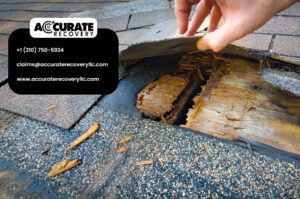
Ajustador público para reclamaciones por daños en el techo
A roof damage insurance claim can feel confusing after hail, high winds, missing shingles, or a sudden roof leak. You

Por qué los techos de baja pendiente requieren inspecciones periódicas
A small roof leak may seem harmless, but what happens when the damage stays hidden above the ceiling? It can

¿Qué es una inspección de techo de baja pendiente?
Una pequeña abertura en una junta o un desagüe bloqueado pueden permitir que el agua se acumule en un techo de poca pendiente mucho antes de que alguien lo note.
 Spanish
  English